The Outlast Trials
The Outlast Trials Maps: Layouts and Route Tips
The Outlast Trials maps guide: learn how to open the map, read layouts, plan objective routes, and avoid copying an outdated map list.
Quick answer: what this The Outlast Trials maps page covers
The Outlast Trials maps are easiest to learn as a sequence of landmarks, objective steps, fallback doors, and extraction choices. This guide explains how to open the map, build map knowledge without memorising a frozen roster, and turn a layout into a route your solo or co-op group can actually repeat. The exact map list, event rotation, objective text, and door state belong to the current game build, so use the live activity menu as the final check.
The phrase outlast trials map can mean several different things: a full environment list, a named location such as Police Station or Downtown, a layout question, or a request for a single objective route. Keeping those meanings together on one practical page is more useful than creating a thin URL for every room. When a search is about a specific Trial or task, use the Trials list as the activity index and return here for the spatial planning method.
How to open the map and build map knowledge
Start by checking the current control hint in the game rather than trusting an old keybind graphic. The button can differ between keyboard, controller, and a changed accessibility layout. Open the map when the team is safe, then close it before a long interaction. A map is a planning tool; it does not pause a threat or replace listening for an enemy warning.
Build knowledge in four passes:
- Name the landmark. Use a room, sign, stairwell, gate, or large prop that you can recognise from more than one direction. “The corridor near the objective” is weaker than “the red doors beside the stairwell.”
- Mark the next interaction. Read the objective verb and identify the room where the next action happens. Do not route to a coloured marker without reading what the marker asks you to do.
- Keep a fallback. Before starting a loud or long interaction, point out one door, corner, or loop that lets the group leave if a threat enters. A fallback is more valuable than a shortcut you have not tested.
- Finish with extraction. When the objective is complete, check the route to the exit while the team still has resources. The fastest way to lose a good run is to treat the final walk as automatic.
This method answers the long-tail question outlast trials map knowledge without pretending that one memorised route survives every patch. You are learning relationships between landmarks and tasks. If a room is rebuilt, the relationship can be relearned quickly.
Read a layout before touching the objective
An unfamiliar layout becomes manageable when you separate movement from risk. First find two routes between the current room and the next objective: a direct route and a safer fallback. Then identify where a downed teammate could be recovered without forcing the whole team into a dead end. Finally, check whether the route returns to a known landmark after the interaction.
| Layout question | What to record | Why it matters |
|---|---|---|
| Where is the objective? | The room name or landmark and the objective verb. | It keeps the group from following a marker that changed after a task step. |
| Where can a threat enter? | Doors, stairs, long sightlines, and noisy choke points. | The team can choose a watch position before starting the interaction. |
| Where is the fallback? | A loop, second door, or room with two exits. | A retreat stays possible when the direct route is blocked. |
| Where is extraction? | The exit direction and the last safe regroup point. | The party can leave together instead of improvising after success. |
The table is a repeatable note format, not a claim that every map has the same geometry. If you write a community route, include the activity name, difficulty, objective step, game version, and date observed. That context is what separates a useful map note from a screenshot that becomes misleading after an update.

What named map searches actually tell you
Searches for outlast trials maps layout police station, outlast trials downtown map, and outlast trials toy factory map show that players often want a route for one environment rather than a universal list. Those names are useful search signals, but they are not a substitute for the activity menu or a first-party patch note. A named environment can appear in more than one objective pattern, and a seasonal or event version can change the route.
When you document a named map, use this compact record:
- Environment name: copy the spelling shown in the current menu.
- Activity and objective: record the Trial, Program, or MK-Challenge and the exact task step.
- Landmark chain: list three to five landmarks in the order a player sees them.
- Risk point: note the interaction that creates noise, locks movement, or attracts a threat.
- Fallback and exit: record where the group should regroup and which direction leads to extraction.
- Review boundary: include the version or date and label player observation as observation, not official policy.
This record makes an “all outlast trials maps” request honest. A page can explain how the environments are organised and link to verified activity notes without claiming that an unverified community list is complete forever. If a future official update publishes a new environment, add the name and source to the table; do not silently move an old route to the new activity.
Solo, duo, and four-player route planning
Solo players should favour routes that keep the next objective and the exit in the same mental picture. Open the map at a safe pause, choose one landmark to return to, and spend a resource only when it protects an objective or the final escape. The beginner guide covers the wider first-session order; this page narrows that advice to spatial decisions.
In a duo, decide who reads the objective and who watches the approach. Swap those jobs when the route changes. Three-player groups can leave one person flexible for a rescue or a map check, while a four-player group should pick a regroup landmark before splitting. More players do not remove map risk: they can create more noise, duplicate the same interaction, or leave one player outside the rescue range.
The Rigs guide is useful when the map problem is really an equipment problem. Information helps when the group loses orientation; control helps create a safe interaction window; recovery helps after a route mistake; escape helps when the direct path is no longer safe. Treat the role as a response to the layout you have, not a permanent tier list.
Why maps and routes go stale after updates
The game is live and seasonal. A patch can rename an activity, change an objective step, rotate a Program, alter a door state, or add a threat to a familiar route. The Season 7 page is the right place for update context. It should not be used as proof that every older map note is still current.
When a route looks wrong, compare five things in order: activity name, objective text, current version, landmark order, and extraction direction. If only the reward changed, keep the route but update the date. If the objective or geometry changed, mark the old route as historical and test the affected section again. Do not patch a broken map guide by changing one landmark name while leaving an outdated objective sentence beside it.
A five-step map check before every run
- Read the activity. Confirm the Trial, Program, or MK-Challenge and the objective verb.
- Open the map safely. Identify your starting landmark and the next interaction without standing in a threat path.
- Choose two routes. Keep a direct path and a fallback path in mind.
- Call the regroup point. Tell the team where to meet after the interaction or a rescue.
- Recheck before extraction. Once the objective is complete, make sure everyone knows the exit direction and has a remaining resource for the final danger.
This sequence is short enough for a real session and detailed enough to create a useful map note afterwards. If matchmaking puts the group in a different environment than expected, repeat step one instead of forcing a memorised route. The map name is a clue; the current objective is the real route brief.
FAQ: The Outlast Trials maps
How do I open the map in The Outlast Trials?
Use the current map control shown by the game's keyboard or controller settings, and test it in a safe room before the Trial becomes loud. The exact prompt can move after updates, so an old video or keybind image should not be treated as universal.
Is there a complete list of all The Outlast Trials maps?
The live activity menu and current official announcements are the safest sources for the roster. This guide explains how to compare layouts and record a map, but it does not freeze an unverified community list as permanent canon. Check the date and activity before using a named route.
What does map knowledge mean in The Outlast Trials?
Map knowledge means recognising landmarks, objective rooms, fallback doors, threat entrances, and the path to extraction. It is a relationship between a task and a route, not only memorising a picture. A player with good map knowledge can rebuild a route when an update changes one room.
Where should a solo player start learning maps?
Use a forgiving difficulty, learn one objective loop, and keep the next landmark and exit in the same mental picture. The beginner guide covers first-session priorities, while this page supplies the map-specific checklist.
Why did matchmaking put me in a different map or route?
The selected activity, current rotation, party state, and live service rules can affect what the menu offers. Record the exact activity and version, then check the current Trials reference and seasonal notes. Do not assume a community route for another activity applies unchanged.
Summary and source boundary
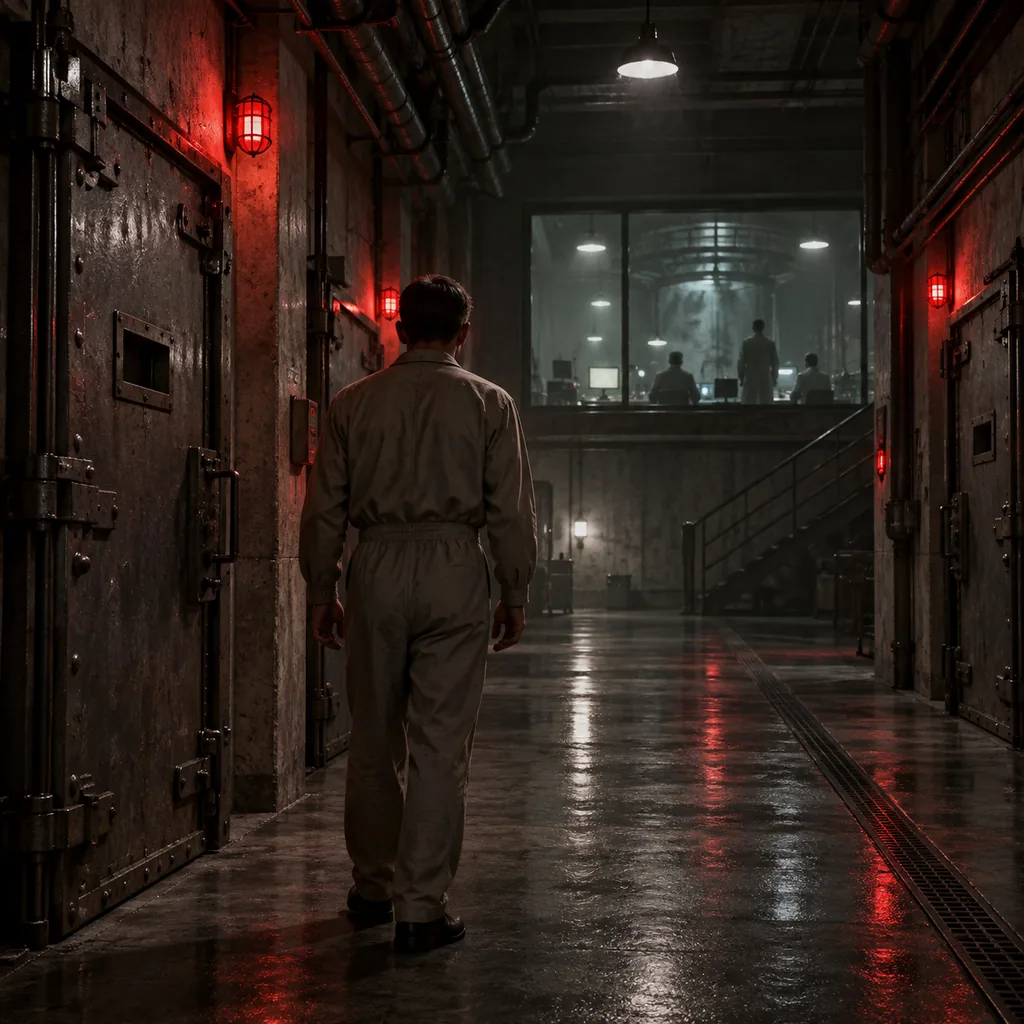
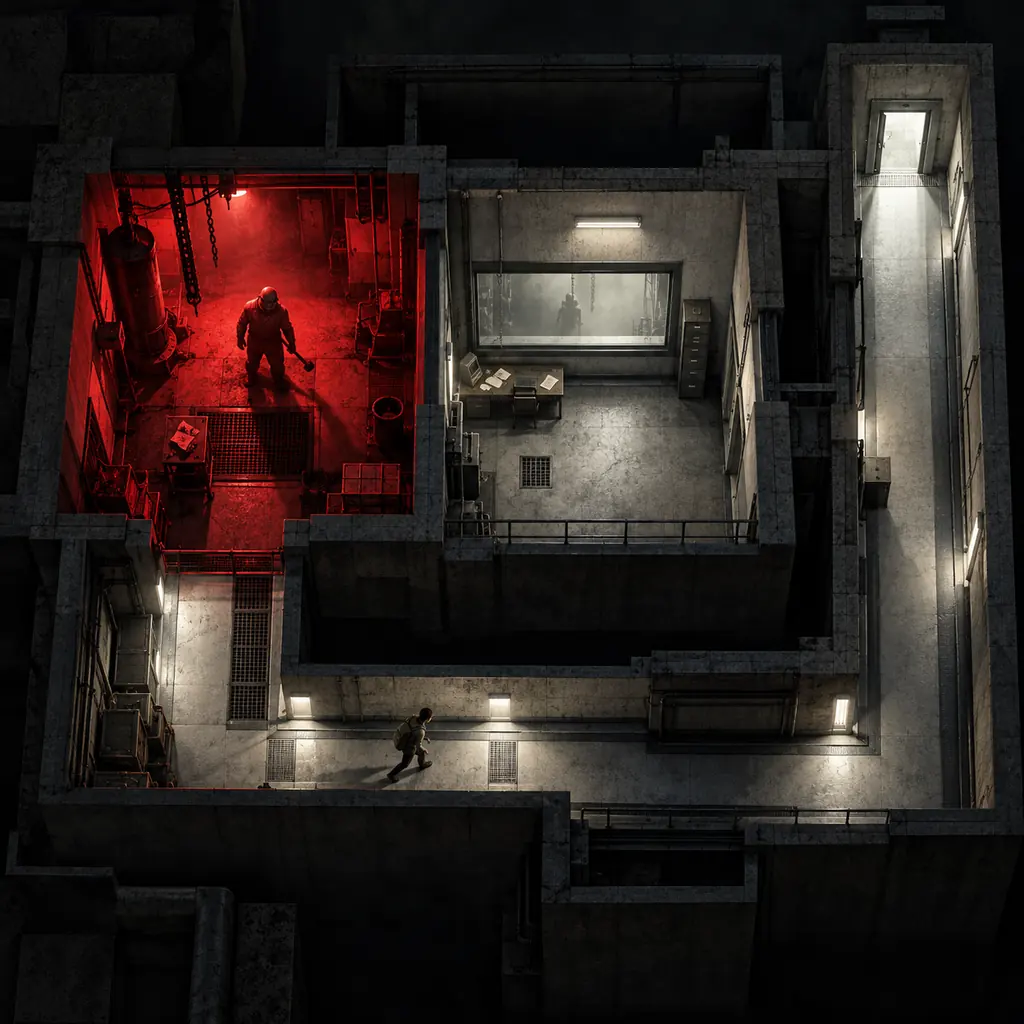
Use outlast trials maps as a practical planning question: open the map safely, identify a landmark, read the objective, keep a fallback, and confirm extraction. Named map searches are useful entry points, but the current game menu and official Red Barrels updates are the authority for availability. This page uses the official Red Barrels game overview for the game's broad context and the Steam listing for platform context. The visuals on this page are editorial concepts, not official screenshots or canonical map diagrams.
FAQ
How do I open the map in The Outlast Trials?
Is there a complete list of all The Outlast Trials maps?
What does map knowledge mean in The Outlast Trials?
Where should a solo player start learning maps?
Why did matchmaking put me in a different map or route?
The Outlast Trials Wiki is an independent fan-made reference. It is not affiliated with or endorsed by Red Barrels. Map names, rotations, objective text, and platform features can change with updates. Verify time-sensitive details in the live game menu and official announcements. Visit the official game page.